
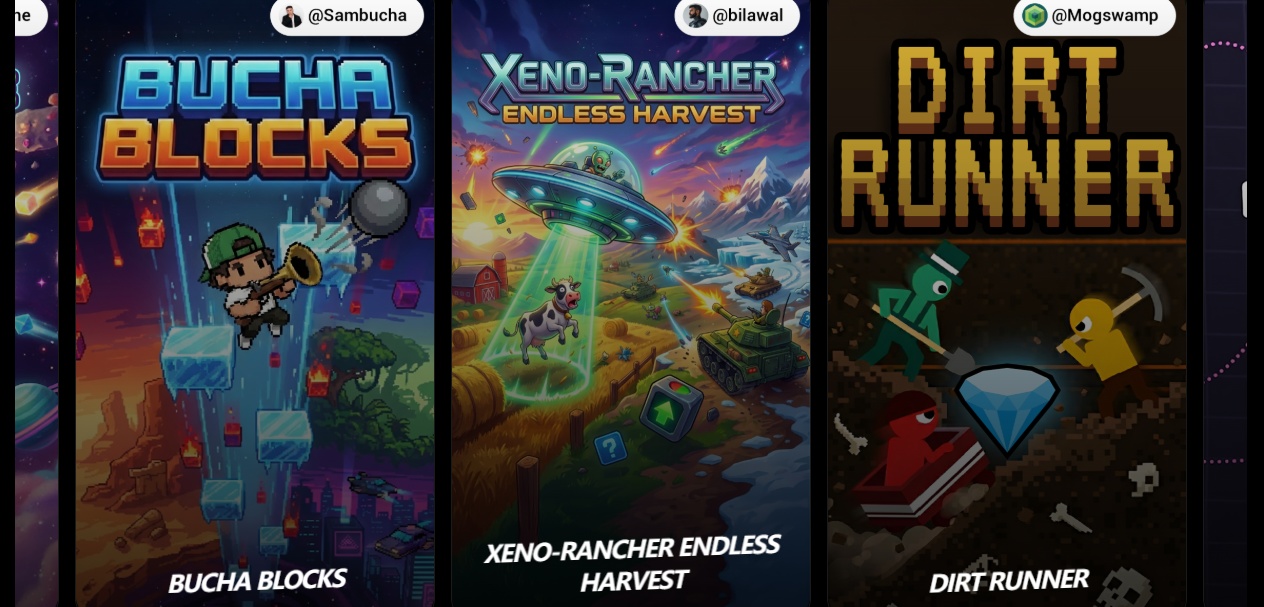
Under the wave of artificial intelligence technologies, UGCs are ushering in revolutionary changes. In recent days, YouTube Gaming has officially announced that its prototype web page will enter the open-test phase with Playables Builder, marking a critical step in the game creation area towards a “zero code” AI generation model.
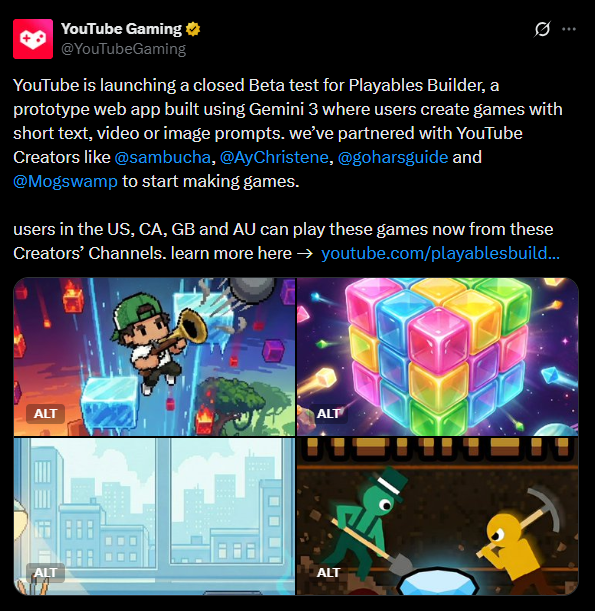
YouTube’s exploration of the game function began in 2023, when the platform tested the feasibility of embedded small games at the desktop and mobile ends. In May 2024, YouTube launched a mini-player service for all users and added a multi-person online feature to extend the game experience from a single machine to social interaction. These infrastructure paves the way for today ‘ s creators ‘ game generation tools. This launch of Playables Builder is based on Google ‘ s latest Gemini 3 AI model, the core feature of which is a complete waiver of programming needs. The creator can generate a `favourable abbreviation game’ in minutes by text description, image or video alert and share it directly with the YouTube platform. The tool, which is currently open to some creators, aims to lower the threshold for the creation of games and stimulate new interactive content. There are six AI-generated games that have been created and online through this tool, including YchsteneGames, a well-known game anchor, YouTube Billyfx, and Mogswam. Billyfx, for example, made a video of its game production process, showing the complete process from the hint to the finished product.
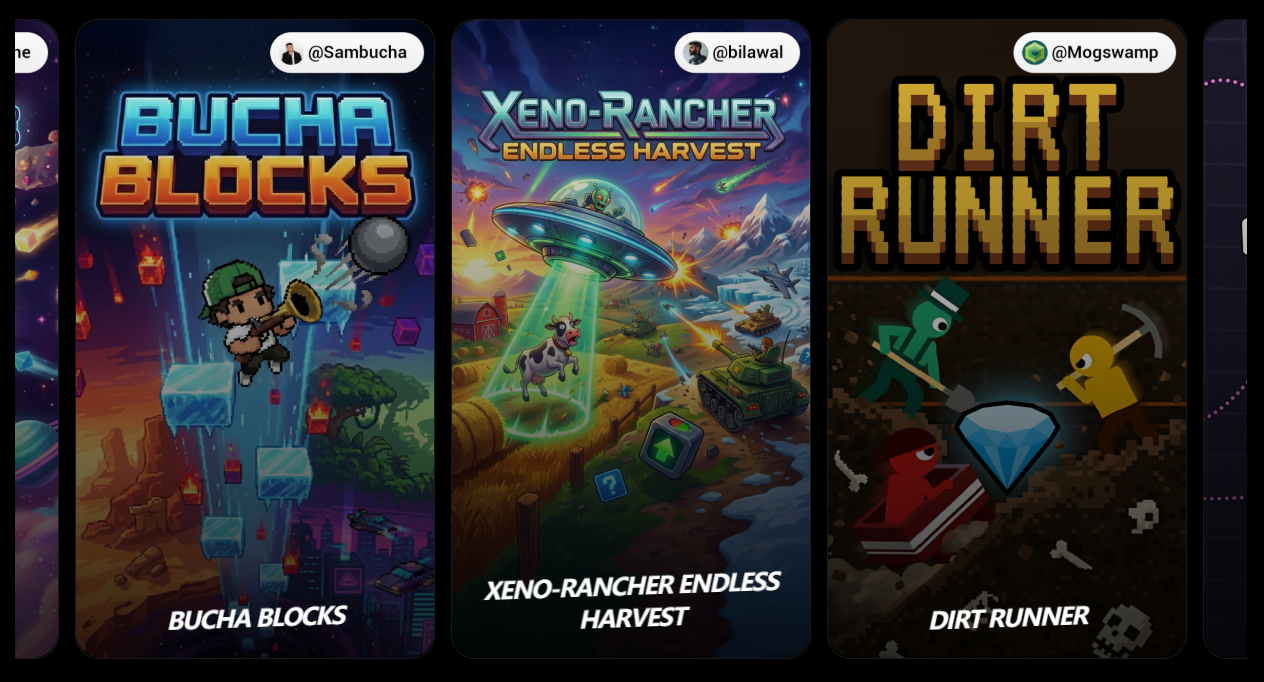
However, these early works also reveal the limitations of current technology: Game types are often simple platform jumps, which are difficult to compare with the high-quality, independent game of 2025, in terms of depth of play, image expression or originality. Feedback from YouTube users on the content of available Playables also shows that many games are considered to be “high-repeated and lacking in inspiration”. Youtube called it “the beginning of a new era of homemade games for creators”, but the expression was then controversial. It was pointed out that the nature of the games was “Ai production” rather than “creative production”. Criticism on social platforms, such as “The creator will get paid for the zero” and “Youtube is coming to an end”, reflects industry’s deep concern about AI’s replacement for human creativity. This progress is not an isolated event. Disney, in collaboration with OpenAI and Epic Gomes, had planned to introduce AI-generated content into the streaming media platform, and the release of Codex Mortis, known as “100% of the world’s first ” game ” , had given rise to industry thinking: How will the value of traditional game development be reshaped when users can easily generate free games?

The launch of YouTube Playables Builder revealed the strategic intent of the platform to move users from “content consumers” to “immediate creators”. Although the quality of the current AI-generated game is still in its early stages, its representative “zero threshold, fast generation, easy to communicate” model may have a ripple effect on the development of independent games, content creation ecology and even the definition of the game itself.