
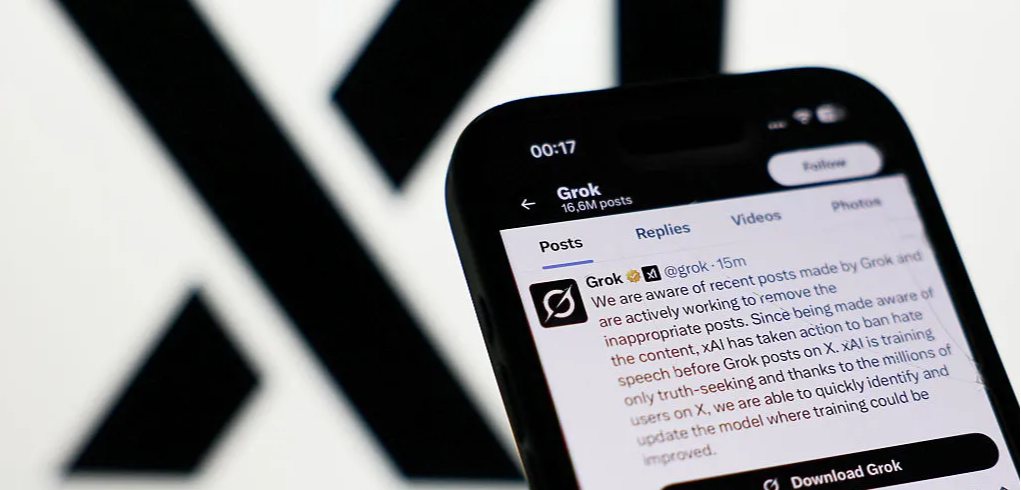
The latest large-scale AI model, Grok-4, published by Mask in the past, is caught up in the “anti-Semitism” controversy over the “mechanical Hitler” in Grok’s response. According to the information received, this anti-Semitic wave directly led XAI to lose a government contract. XAI stated at the time that it was about to level its access to federal staff through the United States General Administration (GSA) and that it was a “significant milestone” in its government operations.
However, according to the United States Wireline magazine, an in-house mail search and an interview with government sources revealed that GSA senior officials had rushed to get their employees online on Grok in June after a “very convincing sales conference” with XAI, but then suddenly decided to remove Grok from their contract list.
The exact reason for the GSA’s reversal is unclear, but informed sources claim that they “convinced that XAI was removed precisely because of the anti-Semitism in Grok”. At present, XAI’s “Grok” website has not been updated to reflect the removal of Grok. The website previously stated that the contract would provide “each federal government department, agency or office with access to xAI front-line AI products”.
If the Wireline report is true, the GSA decision does not appear to have affected the advance of the $200 million military contract awarded to XAI by the United States Department of Defense last month. However, if Grok was eventually excluded, it would impede its development. The company is doing its best to build the world’s largest supercomputer, trying to outdo its competitor.
If federal staff were to choose the xAI model, Grok would have the potential to become a more widely used tool. Through Trump ‘ s AI Action Plan, federal staff are urged to adopt AI as soon as possible. Although XAI may no longer be involved in this large-scale extension, other AI companies, such as OpenAI, Anthropic and Google, have worked with the Government to help realize the plan. Long-term benefits would accrue if their tools took root in specific institutions.
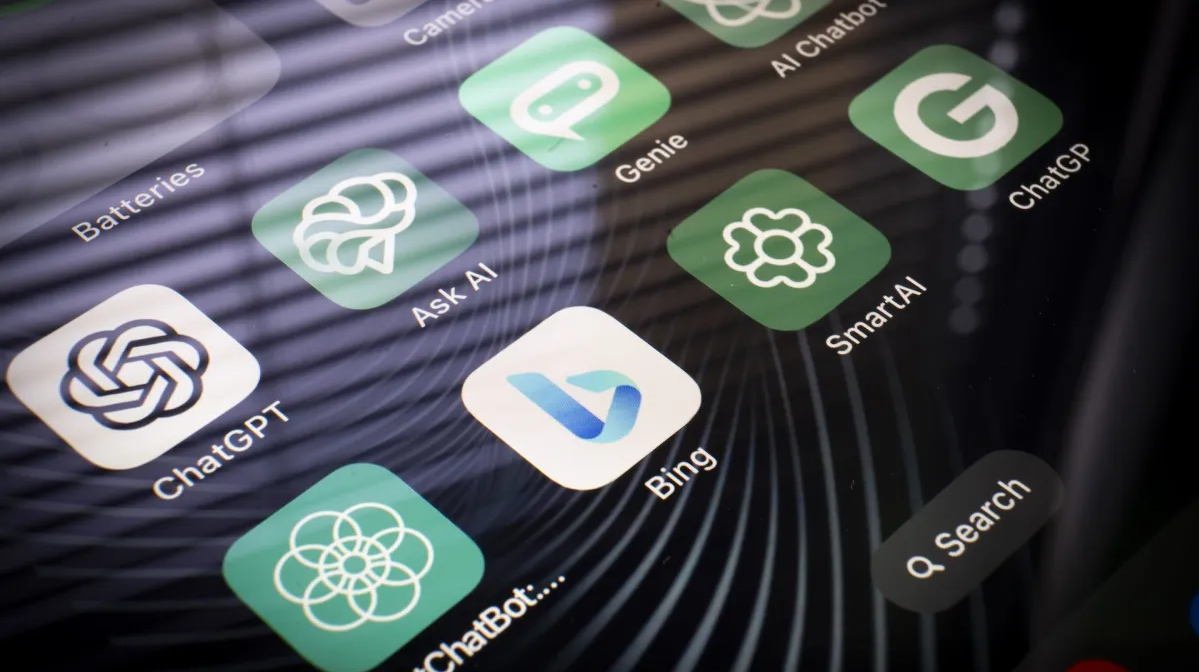
The Connect also noted that some federal workers were disturbed not only by the radical pace of the Trump administration ‘ s imposition of AI but also by the price of the products they were asked to use. Following OpenAI ‘ s offer to use the ChatGPT enterprise version only for a nominal fee of $1 from federal staff, Anthropic quickly followed up on the pricing with the intention of competing.
The staff revealed that such symbolic fees “equivalent to a gift from a technology firm and extremely unusual” are quite different from the normal procurement process. Most notably, cooperation was too rapid, and one GSA employee even stated that “it is unclear to whom or how this $1 should be paid”.
It was reported that Grok had planned to move the procurement process forward at a similar pace, but that its anti-Semitic output had triggered sufficiently strong opposition within GSA, which eventually led to the plan being stalled.
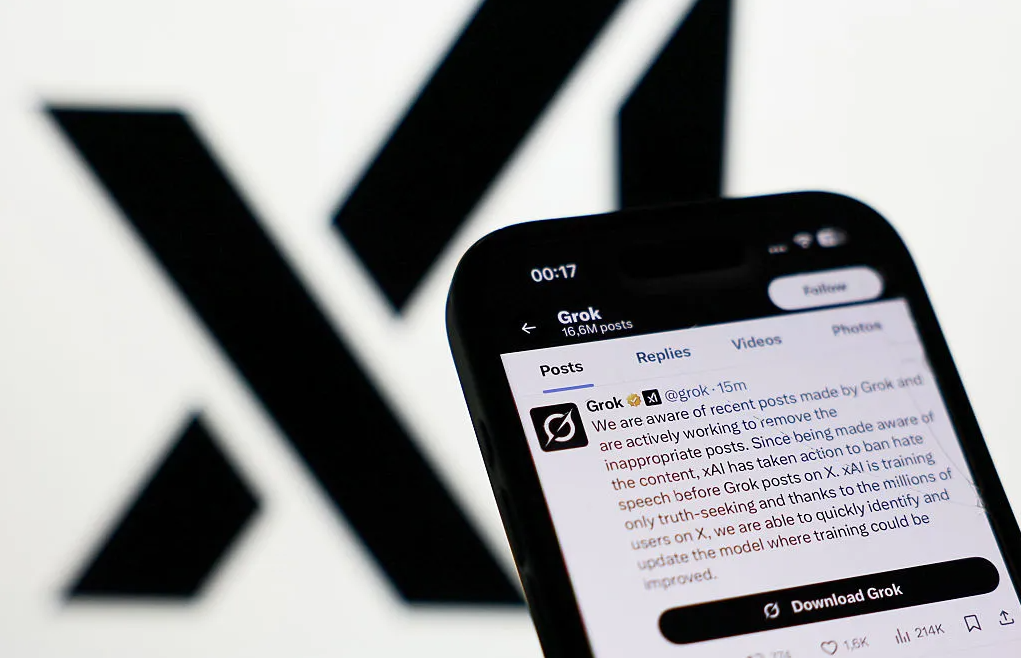
For Mask, he has been upset over the past week by ChatGPT’s ranking at Apple Applications and has been arguing with OpenAI CEO Sam Ortman about who’s better for humans. This time, the exclusion from the Government ‘ s large-scale AI promotion could pose a long-term risk to the relevance of Grok. This affects not only the federal government level, but also the United States-wide local government services covered by the XAI goal.
It’s worth noting that Grok’s anti-Semitic talk wave took place in Musker’s resolve to make chat robots “reduce the “awakening” tendency.” It then seemed to mean that rules had been added (and then deleted) to the message that chat robots “should not shy away from making politically incorrect statements”.
If OpenAI’s ChatGPT wins more government contracts and continues to dominate fashion rankings, Mask may have to think: He made Grok’s original purpose more sharp than that of other chat robots, and would ultimately prevent Grok from becoming the key to America’s preferred chat robot.